Reimagining HR Analytics with Power BI: From Data to Strategic Impact
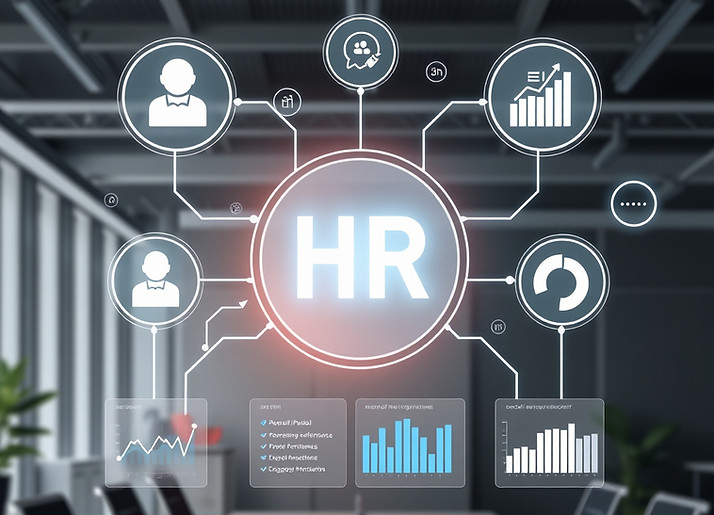
HR analytics enables organizations to make data-driven decisions about their workforce, improving hiring, retention, and performance outcomes. It transforms fragmented HR data into actionable insights that support strategic planning and reduce employee turnover. By leveraging analytics, HR shifts from administrative reporting to a proactive driver of business success.
Realize-Recognize-Transform
01
Why Spreadsheets Are Holding You Back
Spreadsheets limit HR teams by creating fragmented, inconsistent data spread across multiple files and versions, making it difficult to establish a single source of truth. Manual processes increase the risk of errors, delay reporting, and prevent real-time visibility into workforce trends.
03
How we set you up to Succeed
Most Power BI training teaches software. Ours teaches transformation because knowing the tool is only half the battle. The harder part is confidently replacing workflows your team has relied on for years.
1. HR-First Learning
Every example is drawn from real HR work. Recruitment analytics, attrition analysis, workforce planning, employee engagement, performance tracking, and headcount reporting.
2. Build Real Dashboards, Not Demos
You leave each session with HR dashboards that reflect real organizational needs — ready for leadership reporting, not just practice exercises.
02
What is Needed
Today’s HR function needs live, interactive, and auditable insights. Power BI delivers exactly that:
-
Eliminate repetitive manual HR reporting work
-
Bring together recruitment, payroll, performance, engagement, and attendance data in one place.
-
Track attrition, hiring pipelines, headcount, and employee performance as they happen.
-
Empower HR leaders and business teams to explore insights that drive faster decisions
04
What You Walk Away With
1. Eliminate manual spreadsheets with automated HR dashboards covering recruitment, attrition, engagement, and workforce metrics.
2. Reduce reporting cycles and access up-to-date HR data for faster decision-making.
3. Ensure consistent, validated, and auditable workforce metrics across all HR processes.
4. Deliver insights directly to leadership, enabling proactive decisions on hiring, retention, and workforce planning.